Physical Activity
Movement and exercise increase fluid loss through perspiration. More active days typically require increased water intake.
Educational information about developing sustainable water intake patterns
Your body uses water continuously throughout the day for various functions
Throughout the day, your body uses water for various functions. Understanding these patterns can help you develop more intuitive hydration habits.
Morning hours often find the body in a naturally dehydrated state after sleep. As the day progresses, activity levels, temperature, and food intake all influence hydration status.
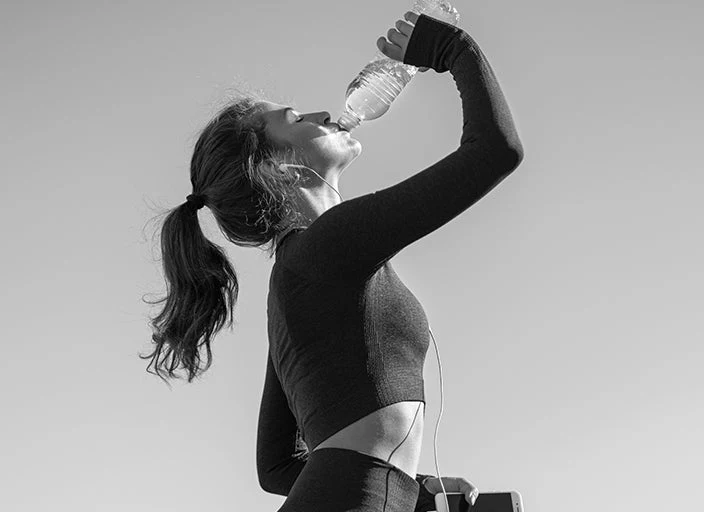
Movement and exercise increase fluid loss through perspiration. More active days typically require increased water intake.
Temperature, humidity, and altitude all influence how much water your body uses. Hot or dry conditions typically increase hydration needs.
The foods you eat contribute to your overall fluid intake. Water-rich fruits and vegetables provide hydration alongside nutrients.
Your routine, work environment, and access to water throughout the day all play roles in your hydration patterns.
Sustainable hydration practices develop gradually through awareness and simple, repeatable actions
Creating lasting habits involves making hydration convenient and natural within your existing routine. Consider these approaches:
Building habits takes time. Focus on consistency rather than perfection, and be patient as you develop new patterns.
Learning to recognize your body's signals can help you respond to hydration needs
The most recognizable signal, though by the time you feel thirsty, your body is already experiencing some level of dehydration.
Reduced saliva production and dry mucous membranes often indicate the need for fluid intake.
Fatigue or decreased alertness can sometimes relate to hydration status, though many factors influence energy levels.
Darker urine often suggests concentrated waste products, while lighter color typically indicates better hydration.
There is no single perfect hydration approach that works for everyone. Your ideal pattern depends on your unique circumstances, preferences, and lifestyle.
Consider starting with observation. For a few days, simply notice when you drink water, how much, and how you feel at different times. This awareness provides a foundation for making informed adjustments.
From there, you might experiment with small changes. Perhaps adding a glass of water at a specific time, keeping water more accessible, or adjusting your intake around activities. Notice what feels sustainable.
The goal is to develop an intuitive relationship with hydration that works for your individual needs.
Educational Information: All materials presented are for educational and informational purposes only. They are not medical advice, diagnosis, or treatment. Consult a qualified healthcare professional before making changes to your health practices, especially if you have existing health conditions.